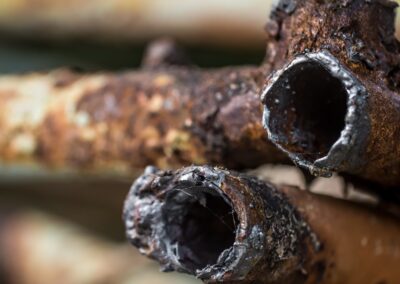
As temperatures drop, preparing your building's fire protection systems for winter should be a priority. Freezing conditions can cause damage to sprinkler pipes, disrupt system performance, and lead to costly repairs.
Taking a proactive approach to winterization can help protect your facility and keep your fire protection systems operating properly throughout the colder months.
How to Prepare Your Fire Protection Systems for the Winter?
A few preventive steps can make a big difference when temperatures begin to fall.
1. Maintain Proper Building Temperatures
Keep areas containing water-filled sprinkler piping at a minimum of 40°F (4°C). Pay close attention to stairwells, attics, mechanical rooms, and other spaces that may be exposed to colder temperatures.
2. Inspect Dry Spinkler Systems
Dry pipe systems are designed for areas subject to freezing temperatures, but they still require maintenance. Trapped water can freeze and cause damage, so proper drainage and routine inspections are important.
3. Check Insulation and Heating Equipment
Inspect insulation, heat tracing, and heating equipment in areas where sprinkler piping may be vulnerable to freezing. Address any issues before temperatures drop.
4. Schedule Preventative Maintenance
Regular inspections and maintenance can help identify potential problems before winter weather arrives. Work with your fire protection provider to ensure your systems are prepared for seasonal conditions.
Frequently Asked Questions About Winterizing Fire Protection Systems
Can fire sprinkler pipes freeze?
Yes. Water-filled sprinkler pipes can freeze when exposed to temperatures below 32°F. As water freezes and expands, it can damage pipes and fittings, potentially causing leaks or system failures.
What should I do if my fire sprinkler pipes freeze?
Contact a qualified fire protection professional immediately. Avoid attempting to thaw frozen pipes with an open flame or other unsafe heating methods. If the system is impaired, appropriate fire protection impairment procedures should be followed.
When should I winterize my fire protection system?
Ideally, winterization should take place before the first freeze of the season. However, ongoing monitoring and maintenance throughout winter are equally important.
Stay Ahead of Freezing Temperatures
Winter weather can be unpredictable, but preparing your fire protection systems doesn't have to be. Routine maintenance, proper heating, and early attention to potential issues can help reduce the risk of freeze-related damage.
Need help preparing your facility for colder weather? Ryan Fireprotection offers inspection, testing, and maintenance services to help keep your fire protection systems ready for the season.